



temple con agua
Water Cooling System For Water Tank is a key solution in the manufacturing industry, specifically within steel & rolling mills and heavy industrial process cooling. This article explores how Beijing Yang Wang Li Xin Sci&Tech Co.,Ltd. supports professionals with durable, high-performance products, and explains why this product is an ideal choice for businesses in these sectors. Industry classification: Manufacturing → Metals Processing → Steel & Rolling Mills. Table of Contents Water Cooling System For Water Tank Overview Benefits & Use Cases of Water Cooling System For Water Tank in Steel & Rolling Mills Cost, Maintenance & User Experience Sustainability & Market Trends in Manufacturing & Metals Conclusion on Water Cooling System For Water Tank from Beijing Yang Wang Li Xin Sci&Tech Co.,Ltd. Water Cooling System For Water Tank Overview A Water Cooling System For Water Tank is an integrated, engineered package that stabilizes process temperatures by circulating conditioned water between equipment and a dedicated tank. In steel and rolling mills, it protects stands, rolls, bearings, gearboxes, and hydraulic circuits from thermal shock and overheating. Typical systems combine heat exchangers (plate or shell-and-tube), circulation and booster pumps, filtration, water quality dosing, PLC/SCADA controls, and safety elements like a cooling water expansion tank and a cooling water storage tank for buffering. For demanding duty cycles, design targets commonly include 10–2,000 m³/h flow, ΔT of 5–15°C, ±1°C temperature stability, and materials such as carbon steel with epoxy coating or stainless steel (304/316) to resist corrosion. Relevance: In manufacturing and heavy industrial process cooling, stable water temperature translates directly into product quality, uptime, and equipment life. Technical highlights: N+1 pump redundancy with VFDs, closed-loop or open-loop configurations, inline filtration (50–200 µm), conductivity/pH monitoring, and optional glycol circuits for cold climates. Beijing Yang Wang Li Xin Sci&Tech Co.,Ltd. provides engineered systems, application sizing, and commissioning support—backed by proven field experience in metals processing and industrial cooling. Benefits & Use Cases of Water Cooling System For Water Tank in Steel & Rolling Mills In steel and rolling operations, thermal control underpins dimensional accuracy and surface finish. A robust Water Cooling System For Water Tank serves continuous casters, rolling stands, pinch rolls, laminar cooling, furnace water-cooled panels, and hydraulic power units. With a properly sized cooling water storage tank, plants gain surge capacity to ride through peak loads and valve events without pressure dips. Meanwhile, the cooling water expansion tank mitigates pressure spikes from thermal expansion, protecting seals and piping. Applications: Roll cooling loops, descaling systems, gearbox/journal lubrication circuits, and quench/tempering lines where temperature stability and flow reliability are mission-critical. Competitive advantages: N+1 redundancy, corrosion-resistant metallurgy, PLC/SCADA with remote diagnostics, energy-saving VFD logic, and modular skids that simplify installation and future expansion. Beijing Yang Wang Li Xin Sci&Tech Co.,Ltd. leverages domain expertise to right-size heat exchangers, pumps, and tanks, ensuring stable inlet temperatures that help maximize throughput and minimize scrap. Cost, Maintenance & User Experience Total cost of ownership hinges on energy, water, chemicals, and unplanned downtime. By pairing efficient heat exchangers with VFD-driven pumps and smart controls, a Water Cooling System For Water Tank can lower OPEX through reduced kWh and optimized water usage. The inclusion of a correctly sized cooling water expansion tank prolongs component life, while a buffered cooling water storage tank lessens pump short-cycling—both of which cut maintenance spend and improve ROI over the system’s service life. Durability & ROI: Industrial-grade pumps, coated pipework, and stainless options support long service intervals; modular skids accelerate commissioning and reduce installation cost. Maintenance best practices: Weekly strainer checks, monthly instrument calibration, quarterly water chemistry control (hardness, alkalinity, conductivity), and periodic heat exchanger cleaning to maintain approach temperature. User experience: Steel-sector operators value the system’s temperature stability, intuitive HMI, alarm history for rapid troubleshooting, and ready availability of spare parts from Beijing Yang Wang Li Xin Sci&Tech Co.,Ltd. Sustainability & Market Trends in Manufacturing & Metals Water stewardship and decarbonization are reshaping process cooling. Tighter withdrawal permits and discharge limits are driving closed-loop and hybrid systems that reuse water, reduce blowdown, and improve cycles of concentration. Modern Water Cooling System For Water Tank designs increasingly integrate adiabatic or dry coolers, heat recovery for space/process heating, and digital monitoring to optimize pump curves and fan speed. These measures can lower water intensity and energy use while supporting ESG and regulatory objectives. Trend highlights: Electrification of auxiliaries, VFD adoption, predictive maintenance with IoT sensors, and materials that resist biofouling and corrosion for longer asset life. Beijing Yang Wang Li Xin Sci&Tech Co.,Ltd. engineers forward-looking solutions—supporting water reuse, smart controls, and modular upgrades—so plants can meet environmental targets without sacrificing throughput or reliability. Conclusion on Water Cooling System For Water Tank from Beijing Yang Wang Li Xin Sci&Tech Co.,Ltd. For B2B decision makers in manufacturing, steel & rolling mills, and heavy industry, a well-designed Water Cooling System For Water Tank safeguards quality, uptime, and safety while reducing operating costs. With robust engineering, thoughtful features like the cooling water expansion tank and cooling water storage tank, and lifecycle support, Beijing Yang Wang Li Xin Sci&Tech Co.,Ltd. delivers reliable performance where it matters most. Recap: Proven temperature stability, modular scalability, and efficiency gains across metals processing and industrial process cooling. Reputation: A trusted partner offering engineering, commissioning, and responsive aftersales service. Strong CTA: Contact us: email: Alley.wang@bjywlx.com — Visit our website: https://www.bjywlx.com

We have successfully executed over 500
projects around the world,
many first-of-their-kind
research projects and products in China, including
We have successfully executed over 500
projects around the world,
many first-of-their-kind
research projects and products in China, including
-
2004
The 1st hydraulic AGC system for hot rolling of ribbon steel
-
2006
The 1st AFC system used for 1450mm skin pass mill
-
2009
The 1st 5-stand tandem line with 2-stand POR & Uncoiler for 650mm ribbon steel
-
2012
The 1st reversing mill for 1380mm strip
-
2016
The 1st soft-rolling system used in skin pass mill
-
2019
The 1st fully automated medium-width tandem cold rolling mill
-
2021
The 1st 5000KN Twin-stand double skin pass mill
-
2022
The 1st coupled pickling line & tandem cold mill with two modes - big roller & small roller
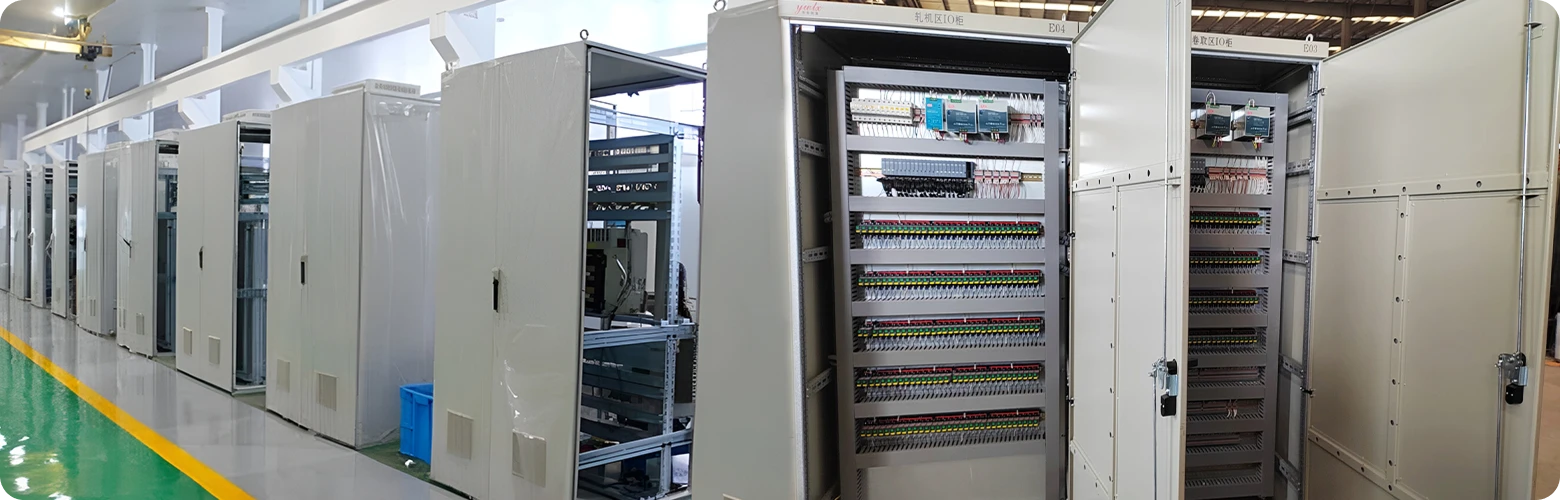
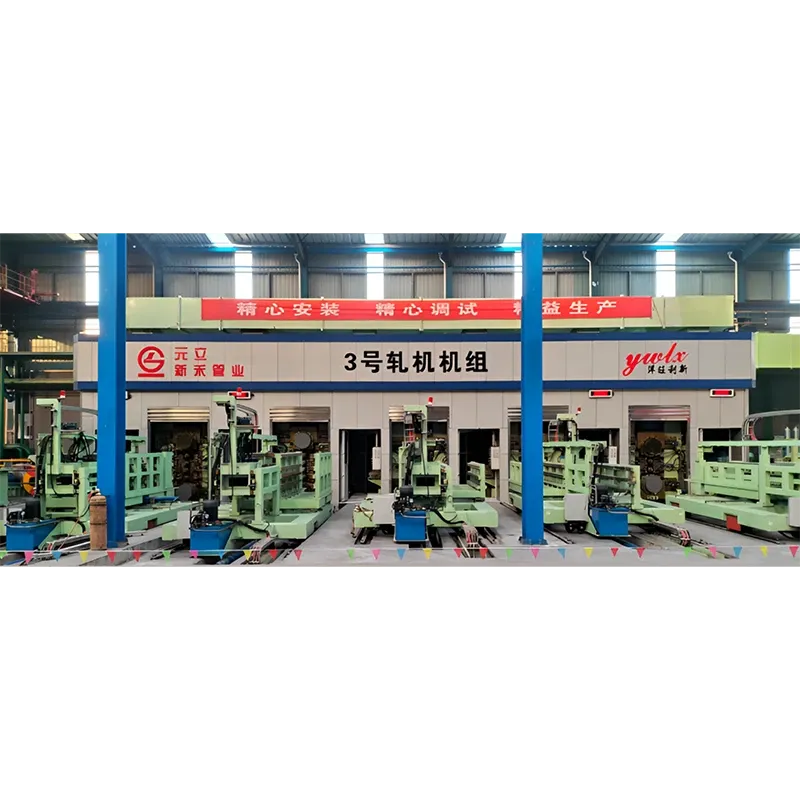
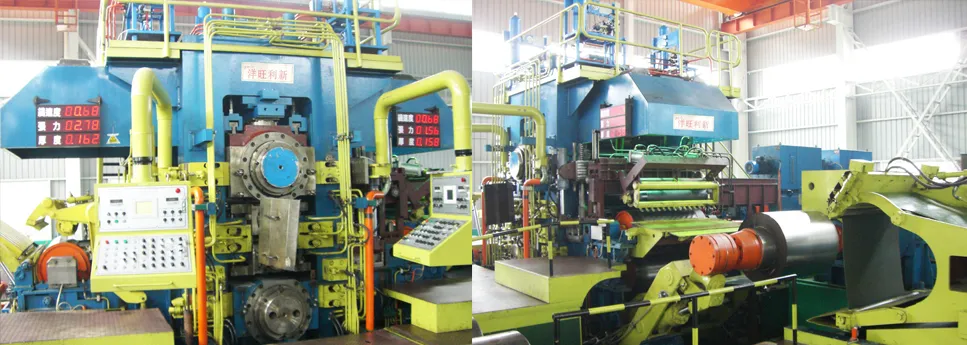
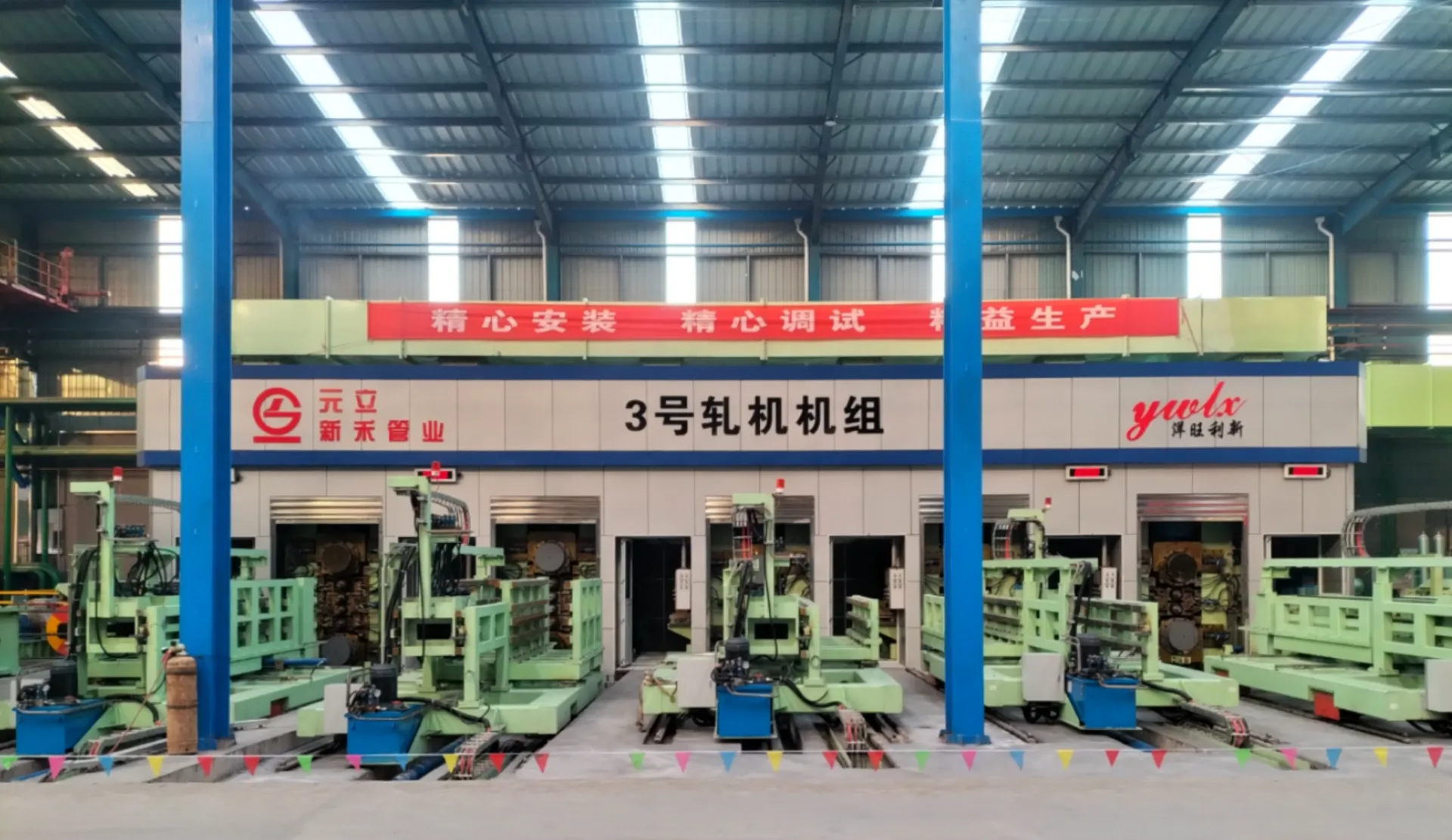
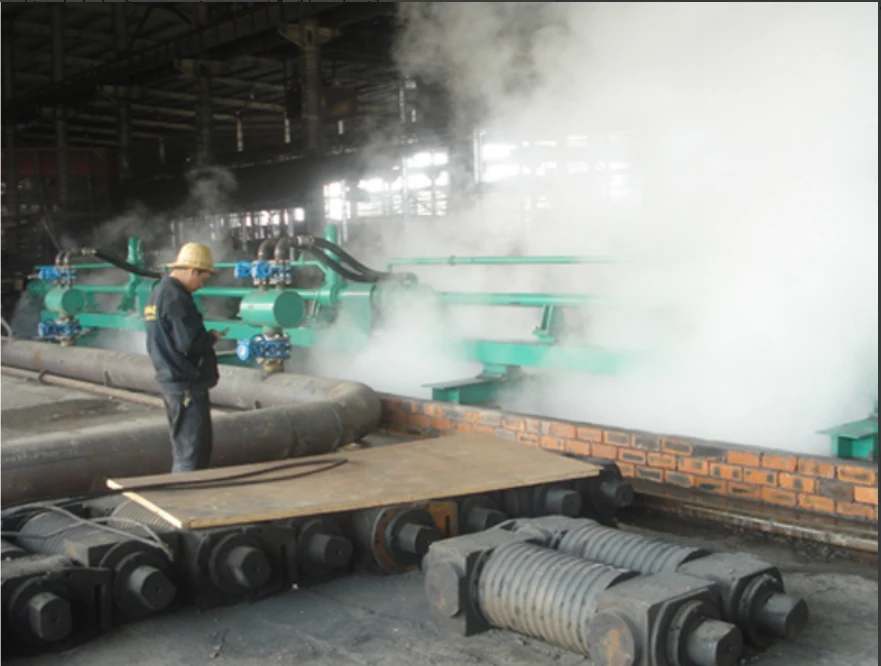

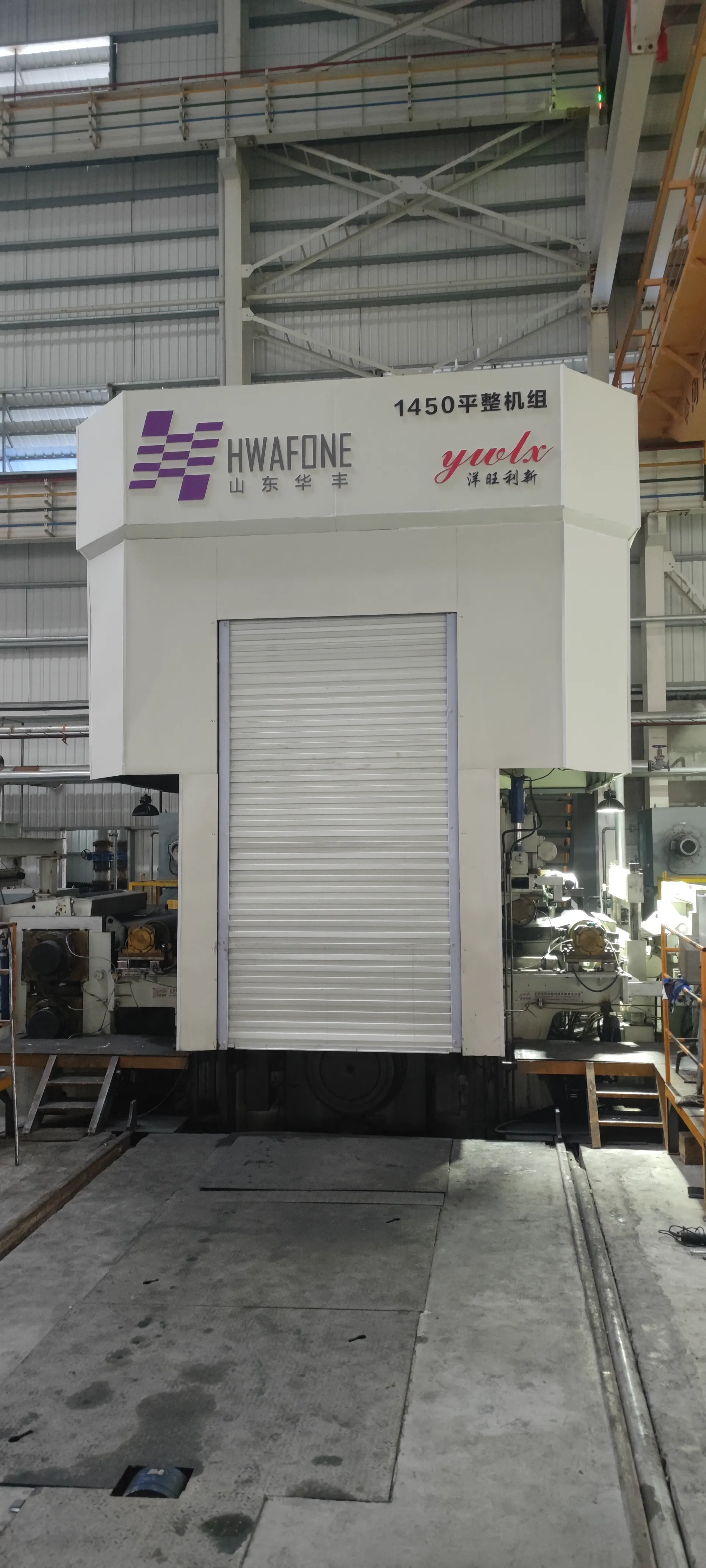
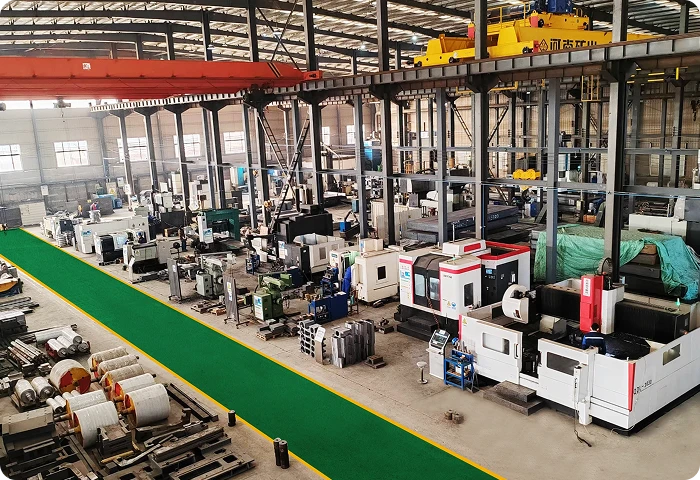
Yang Wang Li Xin operates a state-of-the-art facility over 66,000 square meters,and our manufacturing facility is fully equipped with high-tech machinery and high-capacity cranes. This enables us to handle large work pieces measuring 4.5m in width, 10m in length, and 1.5m in height, guaranteeing our capacity to produce 1800mm skin-pass mills and 1450mm rolling mills. The individual piece can weigh up to 100 tons.

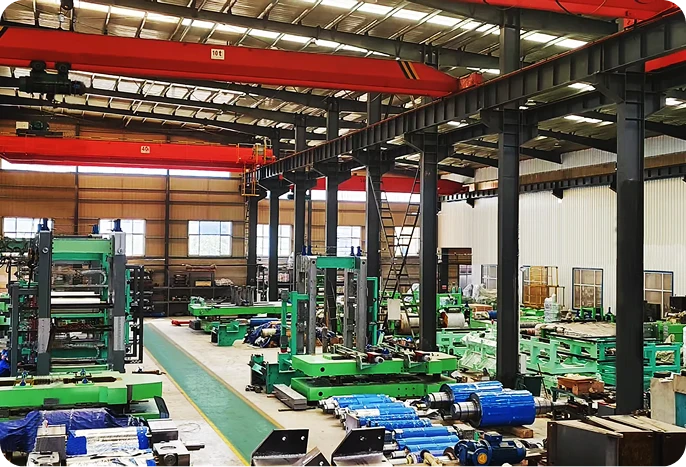

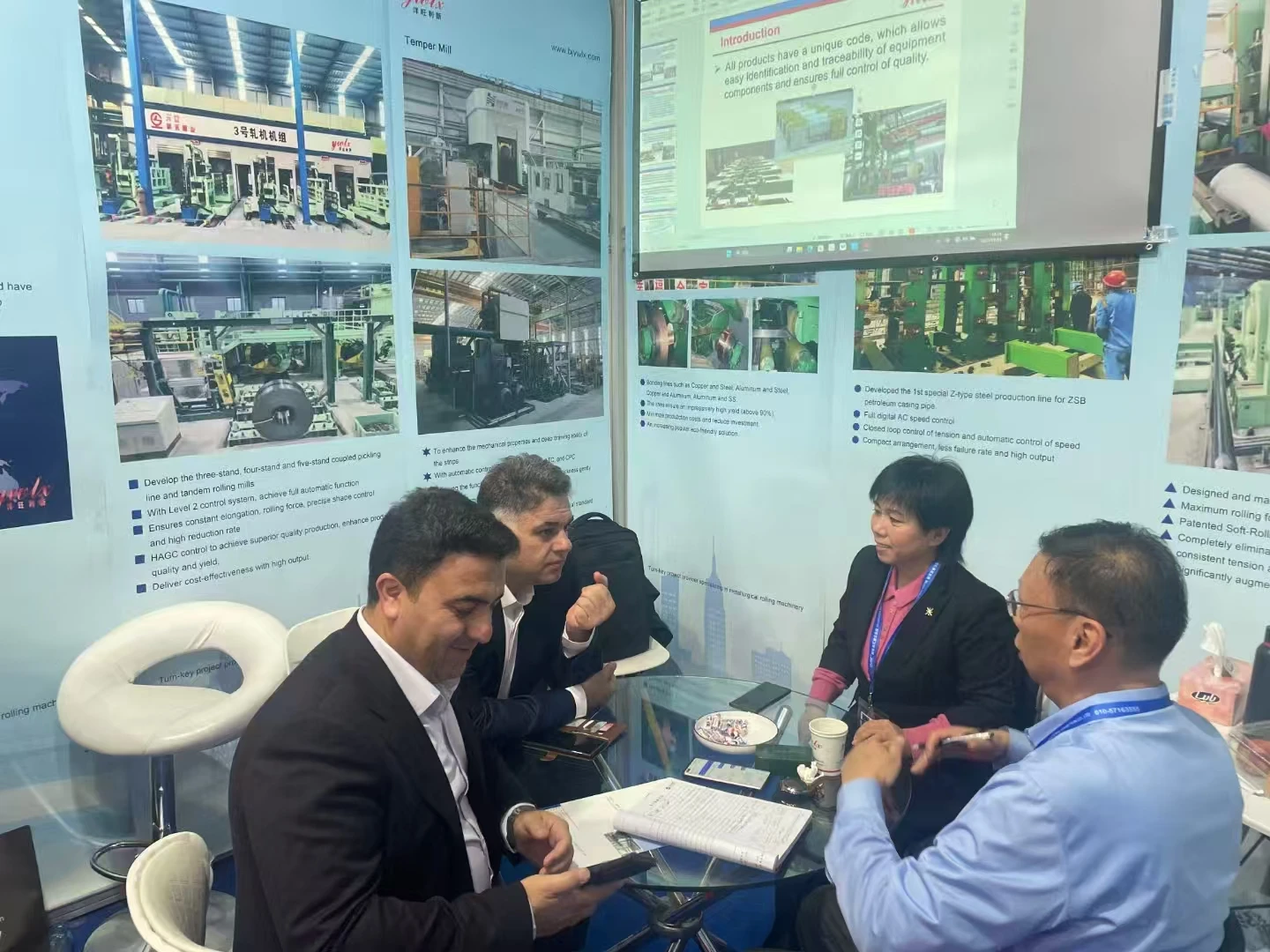
Quality is fundamental to the enterprise survival. We have established a comprehensive and meticulous quality management system and have successfully obtained ISO14000 certification. Starting from the design source, it supervises the entire production cycle, including design, procurement, processing, assembly, in-factory testing, installation, and online commissioning. The workshop is equipped with measuring tools like vernier calipers, spectrometers, hardness testers, and ultrasonic flaw detectors. They are used to check materials and control tolerances to ensure the final equipment meets or exceeds requirements. All products have a unique code, This enables the easy identification and traceability of the equipment components and ensures full control of quality.


-
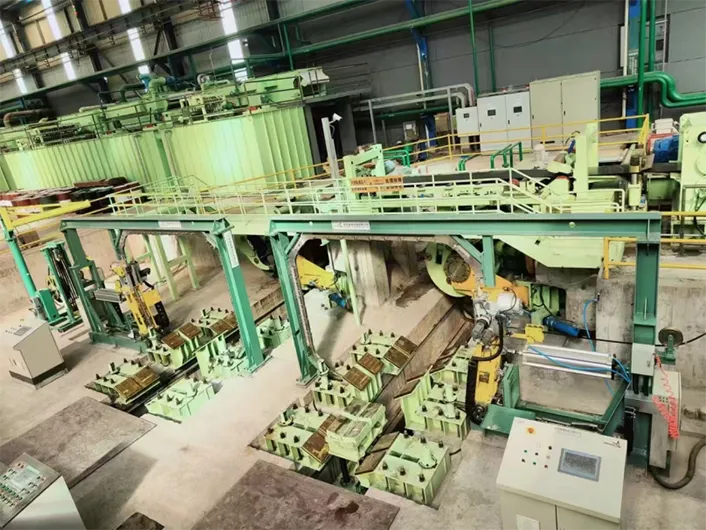 Precision Temper Rolling Mill: Enhance Steel Flatness & FinishIndustry Trends in Temper Rolling Mills The global steel industry is continually evolving, with increasing demand for high-quality, precision-engineered flat steel products. This trend has significantly driven advancements in temper rolling mill technology. Modern industrial requirements, particularly in automotive, aerospace, and advanced manufacturing sectors, necessitate materials with highly c
 -
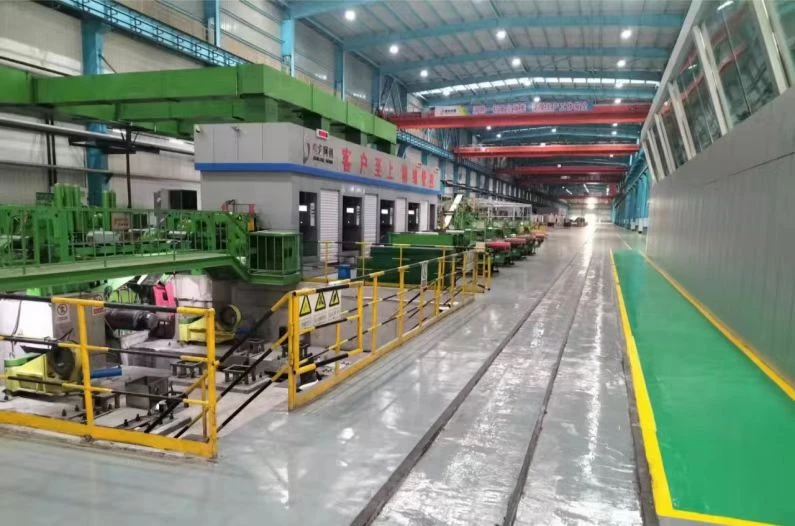 проволочнопрокатный станIn the ever-evolving world of industrial manufacturing, the role of wire rod mills has become increasingly critical. These machines, known as проволочнопрокатный стан in Russian, are paramount in the production of wire rods, which are fundamental to various industries. As someone with extensive experience in the field of metallurgical engineering, I understand the nuances that determine the effici
 -
 Automatic Gauge Control System For Modern RollingIn modern steel rolling, the automatic gauge control system has become a critical solution for precision and efficiency. This system monitors and adjusts strip thickness in real time, ensuring that every batch of production meets the required standards. For industries producing automotive steel, construction steel, or high-grade sheet materials, this precision is non-negotiable. Without such a sys


